


Who we are

Clinician-built, for better care

Clinician-run · clinically focused · clinically trusted.

What we're up to

Changing the way Australia cares for complex patients

Every day, Conference.care helps healthcare practitioners collaborate more effectively — connecting GPs, specialists and allied health through Medicare-funded case conferencing, so complex patients get the coordinated care they deserve.

We were founded with one conviction: complex patients do better when the people treating them actually talk to each other. Everything we do — the platform, the research, the partnerships — exists to make that the norm in Australian general practice rather than the exception.

500+
practices
1,346+
case conferences run
8
states and territories

Our story

Built by clinicians who lived the problem

We saw first-hand how much time, effort and opportunity is lost when health providers can't collaborate easily. Our goal is simple: make communication and collaboration between disciplines effortless, so patients get the coordinated treatment they deserve.

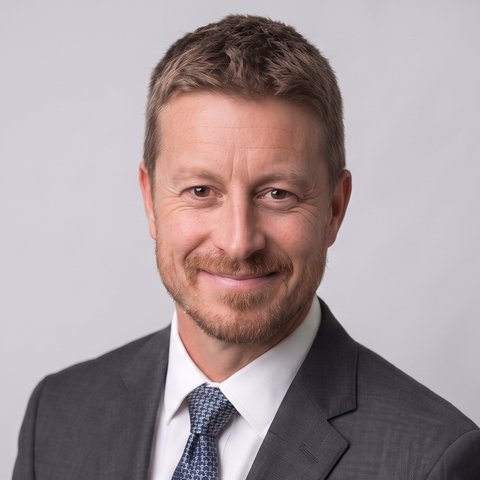
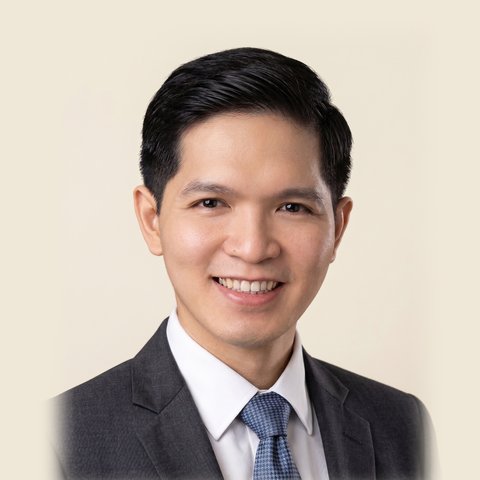
Dr Daniel Nguyen, Co-Founder
Dr Daniel NguyenCo-Founder · General Practitioner
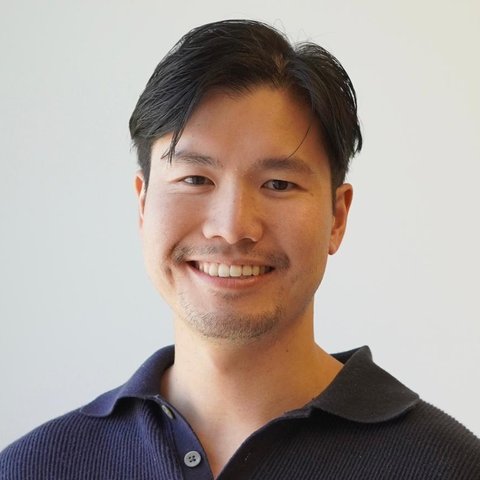
Trent Raykos, Co-Founder
Trent RaykosCo-Founder · Physiotherapist

Our vision

A healthcare system where providers work together seamlessly — so patients receive coordinated, multidisciplinary care as a matter of course.

Our commitment

To make multidisciplinary collaboration effortless for clinicians, so complex patient care can be coordinated without the friction.

We're not a tech company that decided to enter healthcare. We're healthcare professionals who decided to build better tech.

The direction of travel

The future of Australian primary care is team-based

National policy is moving decisively toward GP-led, multidisciplinary models of care.

“
Multidisciplinary team-based care becomes an embedded feature of primary health care.
“
Patients can access evidence-based multidisciplinary care through team-based primary care models led by their GP.
“
A well-resourced, multidisciplinary GP-led team has the capacity to coordinate care and ensure that patient needs are met.
“
We need our funding systems to more effectively support team-based care models in primary care.

Led by Australian healthcare practitioners, professionals, and academics.

Our leadership

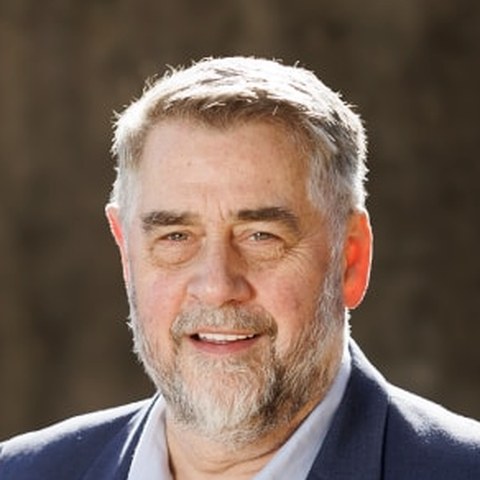
Dr Chris Mitchell AM

Dr Chris Mitchell AM BMed DipRACOG FRACGP FARGP FAICD

Former federal president of the RACGP (2008–2010), Chris has sat on the college's National Expert Committee for Standards; its Finance, Audit and Risk Committee; and the General Practice Data Governance Council. He led the adoption and change programme at the National E-Health Transition Authority and has served on the boards of NPS MedicineWise and Therapeutic Guidelines Ltd. He was made a Member of the Order of Australia in 2013 for services to general practice.
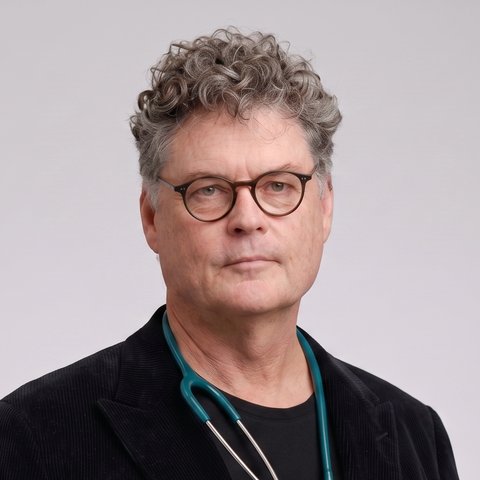

Dr Bruce Willett

Dr Bruce Willett FRACGP

Former federal vice-president of the RACGP (2020–2023) and immediate past chair of its Queensland faculty, Bruce has been a GP since 1989 and a practice owner for most of that time. He led the negotiations behind Queensland's payroll tax settlement for general practice and helped return GP training to the college. In 2024 he received the Rose-Hunt Award, the RACGP's highest individual honour.

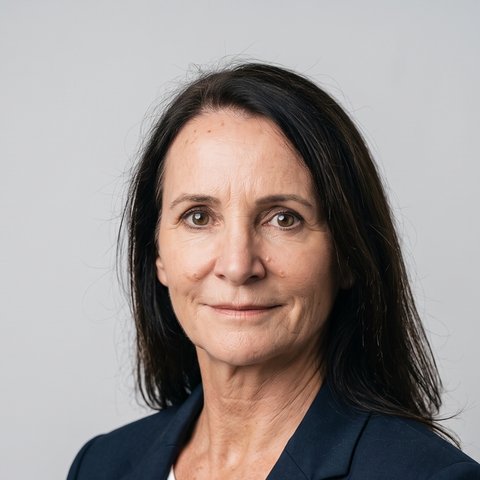
Prof Danielle Ní Chróinín

Prof Danielle Ní Chróinín FRACP

A consultant geriatrician with dual FRACP fellowships in geriatric and general medicine, Danielle is the director of aged care research at Liverpool Hospital, a Professor at UNSW, and a visiting medical officer at Sydney South West Private Hospital. She co-chairs Liverpool Hospital's falls prevention committee and co-leads the orthogeriatric models-of-care work for the NSW Agency for Clinical Innovation.

Prof Stephen Duns

Prof Stephen Duns MBA FAICD

Chief executive of the Australian Primary Health Care Nurses Association since September 2025, Stephen has held senior executive roles across health and community services in Australia and the United Kingdom, and has consulted internationally on leadership, governance and organisational culture. He was Professor of Business Leadership and faculty lead at Leadership Victoria, and has chaired Merri Community Health Services and Austin Health's human research ethics committee.

Our management

Dr Daniel Nguyen

Dr Daniel Nguyen

Medical Director

A GP and academic, Daniel is an adjunct lecturer in medicine at Curtin University and former Chief Investigator at Royal Perth Hospital. His research focuses on multidisciplinary management of chronic disease. He has presented internationally on multidisciplinary cardiovascular management.

Trent Raykos

Trent Raykos

Head of Allied Health

An experienced physiotherapist with extensive experience in complex presentations and interdisciplinary chronic disease management. Trent has an extensive background in primary care settings, with a particular clinical and research focus on improving collaboration between primary and secondary care providers.

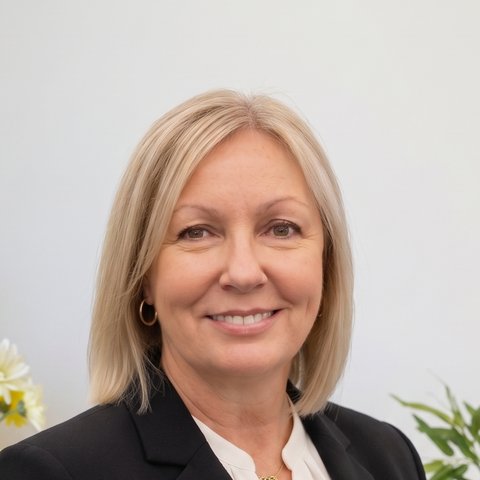
Rosanna Hussey

Rosanna Hussey

Head of Operations

A senior health executive with a background across healthcare and finance, Rosanna has held roles at Ramsay Health Care and Bethanie, and was previously a banking executive at NAB and ANZ.

Dr Julian Hooper

Dr Julian Hooper

Head of Growth

Fifteen years building businesses in healthcare — medical devices, diagnostics and clinical software across Australia and New Zealand, including as head of field sales at Roche. A King’s College London alumnus with a PhD in pharmaceutical research.

Kate Marie

Kate Marie

Head of Corporate Strategy

Four decades in general practice business development with roles at the RACGP, General Practice Training Queensland and General Practice Registrars Australia. Kate is founding director of iaso health and runs Medius Global, an advisory to the Australian general practice sector.

Ban Lanzona

Ban Lanzona

Head of Product

A Master of Business Analytics graduate from the University of Western Australia, Ban has worked across strategy and innovation at Landgate, mergers and acquisitions at PwC, and business analysis.

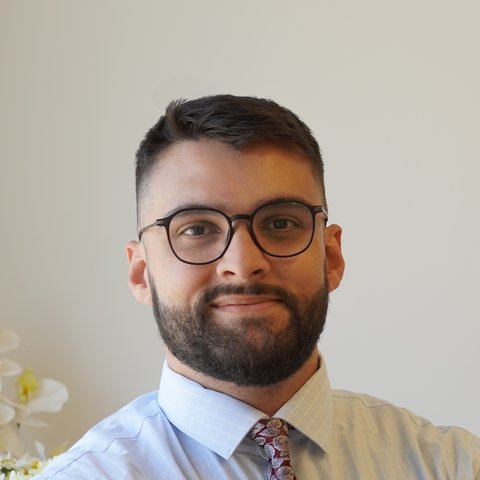
Benjamin Atkinson

Benjamin Atkinson

Head of Technology

A full-stack software engineer formerly at Starling Bank and THG, with a Mathematics and Computer Science degree from the University of Warwick. His background spans TypeScript, React, Java and Python, microservices and event-driven architecture, and cloud deployment with Docker and Kubernetes.

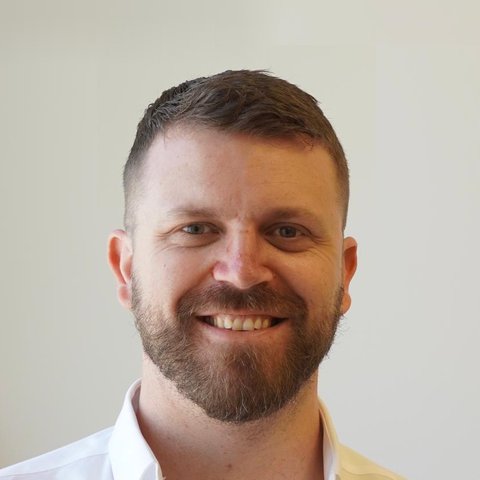
Tyson Reynolds

Tyson Reynolds

Head of Research

A public health academic whose postgraduate research explored interdisciplinary collaboration in general practice. Tyson has undertaken postgraduate studies in public health and mental health, and is the Chief Investigator on a multi-site study exploring coordination between primary and specialist care providers.

Building the evidence base for team-based care

We're generating real-world evidence for multidisciplinary care in Australia, in partnership with leading research institutions — to improve patient outcomes and help shape national healthcare policy.

In partnership with

Curtin University Macquarie University UNSW Sydney The University of Western Australia

Committed to bridging gaps in care, everywhere

Close the Gap

Supporting Indigenous communities

We offer our service free of charge to Indigenous health practitioners and Aboriginal Medical Centres — supporting the Close the Gap initiative and culturally safe, coordinated care.

What we're doing

Rural & regional

Supporting rural &
regional patients

Distance shouldn't decide who gets specialist input. For rural and regional practices we do the finding — our team recruits the specialists and allied health a GP can't get locally and brings them into the conference by video, at no cost to the practice.

What we're doing

Active across Western Australia New South Wales Victoria Queensland South Australia Tasmania ACT Northern Territory

Transform the way you deliver care

Join our community of health professionals and start collaborating seamlessly. We're always looking for people who believe in better healthcare through collaboration.

References

  1. King MA, Roberts MS. Multidisciplinary case conference reviews: improving outcomes for nursing home residents, carers and health professionals. Pharmacy World & Science. 2001;23(2):41–5. Available from: https://doi.org/10.1023/a:1011215008000
  2. Agar M, Luckett T, Luscombe G, Phillips J, Beattie E, Pond D, et al. Effects of facilitated family case conferencing for advanced dementia: a cluster randomised clinical trial. PLoS ONE. 2017;12(8):e0181020. Available from: https://doi.org/10.1371/journal.pone.0181020
  3. Shelby-James T, Currow D, Phillips P, Williams H, Abernethy A. Promoting patient centred palliative care through case conferencing. Australian Family Physician. 2007;36(11):961–3. Available from: https://www.racgp.org.au/afp/200711/20754
  4. Phillips JL, West PA, Davidson PM, Agar M. Does case conferencing for people with advanced dementia living in nursing homes improve care outcomes: evidence from an integrative review? International Journal of Nursing Studies. 2012;50(8):1122–35. Available from: https://doi.org/10.1016/j.ijnurstu.2012.11.001
  5. Shelby-James T, Butow P, Davison G, Currow D. Case conferences in palliative care: a substudy of a cluster randomised controlled trial. Australian Family Physician. 2012;41(8):608–12.
  6. Vest JR, Blackburn J, Yeager VA, Haut DP, Halverson PK. Primary care-based case conferences and reductions in health care utilization. Journal of Health Care for the Poor and Underserved. 2021;32(3):1288–1300. Available from: https://doi.org/10.1353/hpu.2021.0132
  7. Reuther S, Dichter MN, Büscher I, Vollmar HC, Holle D, Bartholomeyczik S, et al. Case conferences as interventions dealing with the challenging behavior of people with dementia in nursing homes: a systematic review. International Psychogeriatrics. 2012;24(12):1891–1903. Available from: https://doi.org/10.1017/s1041610212001342
  8. Mitchell G, Del Mar C, O'Rourke P, Clavarino A. Do case conferences between general practitioners and specialist palliative care services improve quality of life? A randomised controlled trial. Palliative Medicine. 2008;22(8):904–12. Available from: https://doi.org/10.1177/0269216308096721
  9. Hollingworth S, Zhang J, Vaikuntam BP, Jackson C, Mitchell G. Case conference primary-secondary care planning at end of life can reduce the cost of hospitalisations. BMC Palliative Care. 2016;15(1). Available from: https://doi.org/10.1186/s12904-016-0157-9
  10. Australian Bureau of Statistics. Patient Experiences in Australia, 2024–25 financial year. ABS, Canberra. abs.gov.au
  11. Australian Government Department of Health and Aged Care. Medicare Benefits Schedule — all 106 multidisciplinary case conferencing items, and explanatory notes AN.0.49 and MN.3.2. Item numbers, duration bands, schedule fees and benefits on this site are extracted directly from the machine-readable schedule (MBS-XML-20260801.XML, effective 1 August 2026); GP attendances out of hospital attract the 100% benefit, specialist and allied health attendances the 85% benefit. MBS Online downloads · item search
  12. Australian Bureau of Statistics. Aboriginal and Torres Strait Islander life expectancy, 2020–2022. ABS, Canberra. abs.gov.au
  13. Australian Institute of Health and Welfare. Australian Burden of Disease Study: impact and causes of illness and death in Aboriginal and Torres Strait Islander people 2018. AIHW, Canberra. aihw.gov.au
  14. Australian Government. National Agreement on Closing the Gap — targets and outcomes. closingthegap.gov.au
  15. Australian Institute of Health and Welfare. Rural and remote health. AIHW, Canberra. aihw.gov.au
  16. Australian Institute of Health and Welfare. Multimorbidity in Australia. AIHW analysis of the ABS 2022 National Health Survey; multimorbidity defined as 2 or more of 72 selected long-term health conditions. aihw.gov.au
  17. Bates SM, Lin J, Allen LN, Wright M, Kidd M. Can multidisciplinary teams improve the quality of primary care? A scoping review. eClinicalMedicine. 2025;88:103497. https://doi.org/10.1016/j.eclinm.2025.103497
  18. Australian Government Department of Health, Disability and Ageing. Upcoming Changes to Chronic Disease Management Framework — MBS Items for GP Chronic Condition Management Plans, factsheet, last updated 22 May 2025. Patients with a plan may access up to 5 individual allied health services per calendar year (10 for patients of Aboriginal or Torres Strait Islander descent). mbsonline.gov.au
  19. The Royal Australian College of General Practitioners. General Practice: Health of the Nation 2025. RACGP, East Melbourne, 2025. Executive summary and Chapter 2 (state of the general practice workforce). racgp.org.au/health-of-the-nation-2025; full report (PDF): Health-of-the-Nation-2025.pdf.
  20. Australian Bureau of Statistics. National Study of Mental Health and Wellbeing, 2020–2022. ABS, Canberra. 21.5% (4.3 million) of people aged 16–85 had a 12-month mental disorder. abs.gov.au
  21. Belcher J, Myton R, Yoo J, Boville C, Chidwick K. Exploring the physical health of patients with severe or long-term mental illness using routinely collected general practice data from MedicineInsight. Australian Journal of General Practice. 2021;50(12):944–9. Available from: doi.org/10.31128/AJGP-08-20-5563