Tue29
Recurring weekly
1
Pick your slot
One-off, or the same time every week. Everything else is built around your diary.
For GPs
Conference.care makes it easy to run Medicare-funded case conferences. Specialists, allied health and mental health clinicians work with you to create a clear path to better patient care.
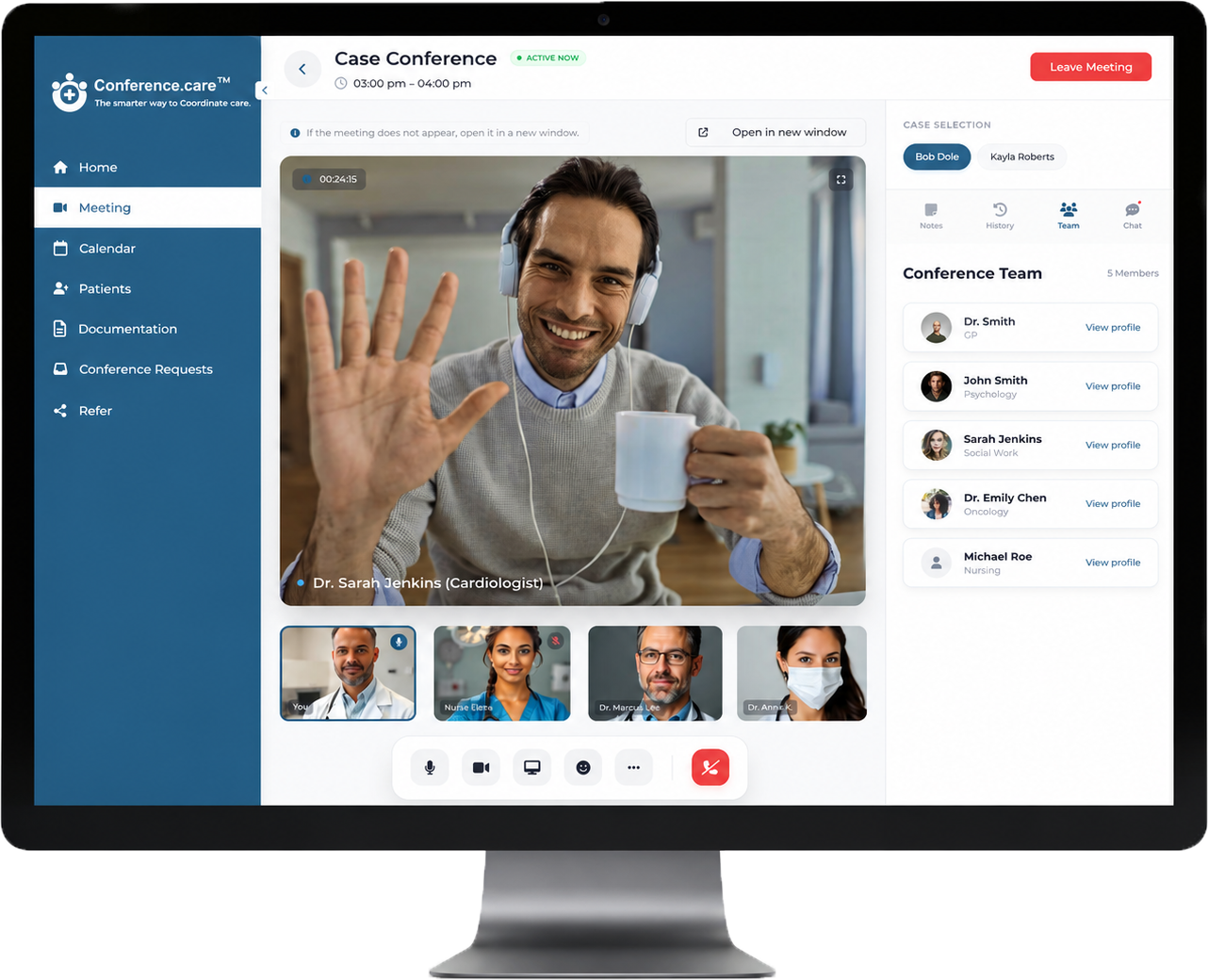
Already conferencing at practices across Australia

















The unfortunate truth
A patient with several long-term conditions needs input from an entire multidisciplinary team.
In practice, they rarely get it. Costs are prohibitive, wait times are ludicrous, and limited Medicare funding covers just 5 allied health sessions a year under a care plan.
Consequently, their GPs are left managing their care largely alone, without meaningful multidisciplinary input.
The solution
A multidisciplinary meeting about one patient, where a GP or specialist sits down with clinicians from other disciplines — specialists, allied and mental health — to agree on needs, goals and a treatment plan.
And it is rebated by Medicare — so the time you spend coordinating care is funded.

Put the case to clinicians who aren’t treating your patient and get discipline-specific thinking on what’s driving the presentation.
Indicators
Referrals, letters, scripts and recalls each run one way at a time, and you are the only person who hears all of it. A case conference puts everyone already involved in the one conversation, so the plan is agreed once.
Indicators
Why it’s different
Unlike referral letters or phone calls, case conferencing lets a care team consider a patient synchronously together — and be rebated for it.
| Capability | Case conferencing | Referral letters | Phone calls |
|---|---|---|---|
| Real-time, synchronous discussion | ✓ | Delayed | ✓ |
| Group consideration of the patient | ✓ | — | — |
| Specialist input without a separate referral | ✓ | — | — |
| Time spent is billable | ✓ | — | — |
| Efficient, instant feedback | ✓ | Delays | Phone tag |
The evidence
Research consistently shows multidisciplinary case conferences deliver wide-ranging benefits across many health contexts.
Conference.care is a clinical service, not a piece of software you are left to run. We keep a credentialled team of local specialists and allied health clinicians with real-time availability, ready to join your case conferences.
The platform is what makes that practical: it builds the team around each patient, finds a time, records consent, captures the notes during the call and prepares the documentation behind the claim.
One-off, or the same time every week. Everything else is built around your diary.
Add the patient you want to discuss and the input they need.
Any patient with a chronic or complex condition is eligible.
 Yuliya RichardPsychologist
 Andrew IlieffPhysiotherapist
 Michelle TheodosiDietitian
 Anthea KarseboomOccupational therapist
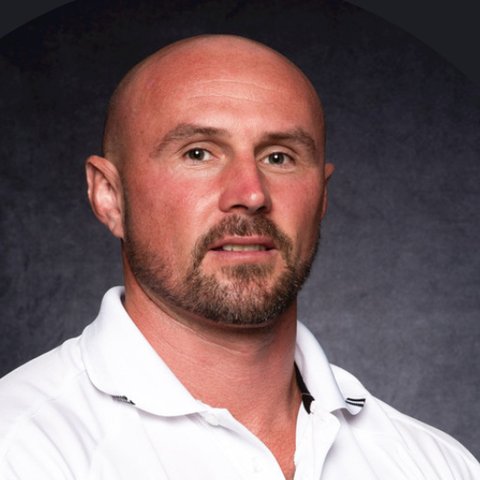 Hayden FisherExercise physiologist
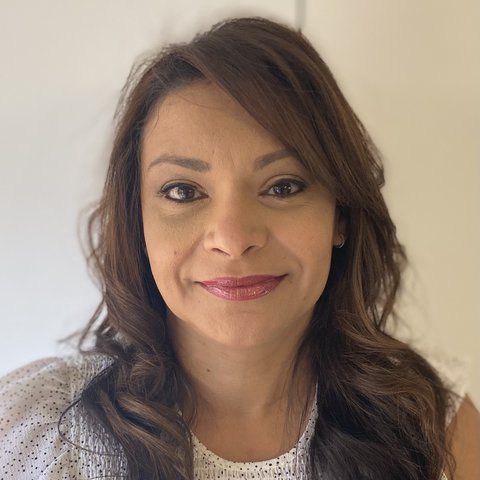 Marianne Del PapaDiabetes educator
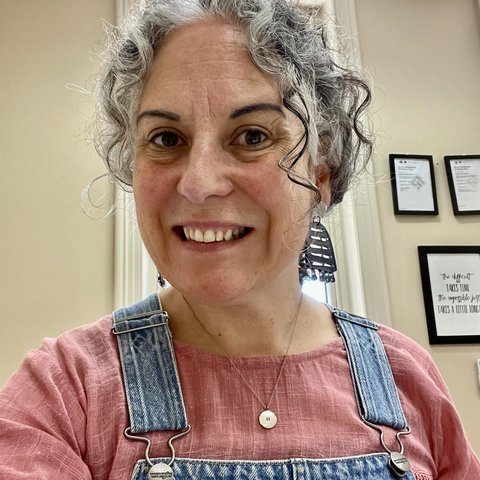 Anita FranklinMental health social worker
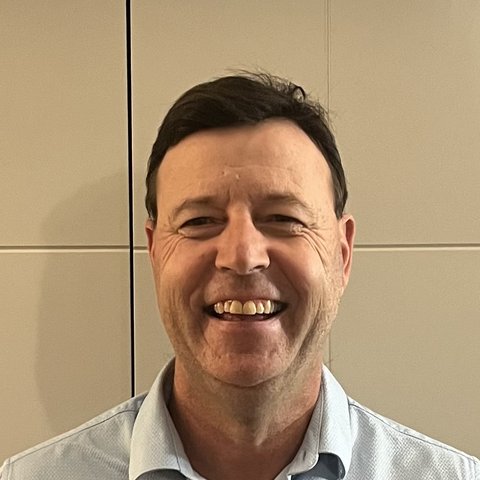 David WalkleyChiropractor
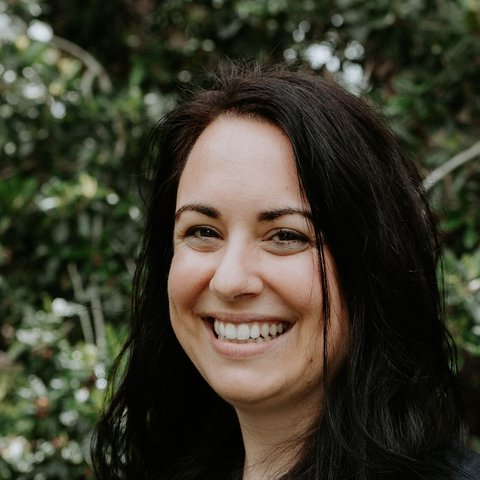 Emma SnelgarMental health nurse
 AndreaPodiatrist
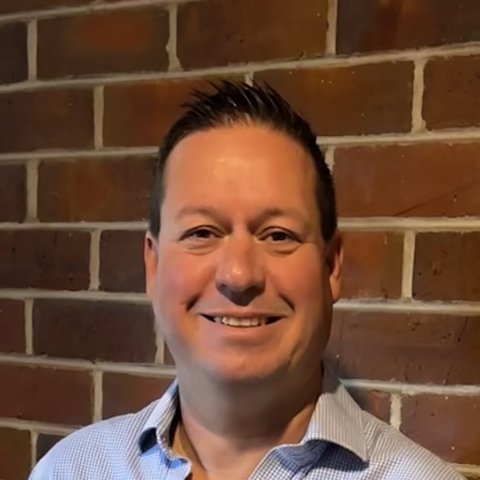 David John EdwardsPsychologist
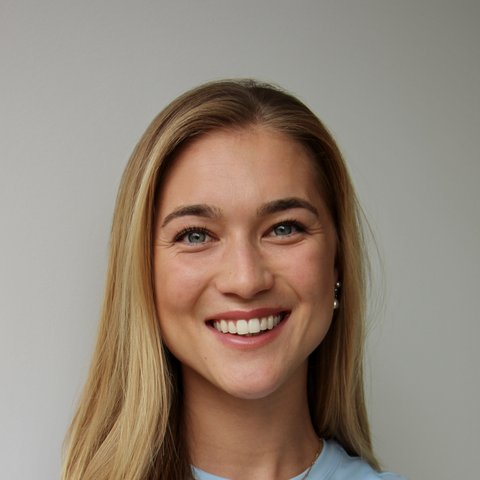 Danielle ClintonPhysiotherapist
You pick the required specialties, we invite the best available clinicians from our 1,000+ local specialists and allied health.
All specialists, allied health, and GPs are eligible.
Each discussion is a short, secure video session inside Conference.care — you join, give your advice on the call, and the platform captures the notes and supports your Medicare claim.
You claim an MBS item every time you coordinate a conference.
Up to $456.60 an hour once the bulk-billing incentive is added.
This certifies that Dr A. Rao took part in a
Multidisciplinary case conference
The same minutes that earn the item earn CPD — logged from the time you actually spent in the room. Where it goes depends on your college.
Team composition, duration tiers, frequency intervals and the right item number — the platform holds you to each of them as you schedule, run and document the conference, so a claim is never left to memory.
Every clause of the case-conferencing items, and how the platform meets it, is set out on one page.
Whether you organise the conference or join one, Conference.care clears the coordination, compliance and paperwork — so your time goes to the clinical discussion.
Models 3 × 20 min per hour (MBS items 739/743 plus the bulk-billing incentive, item 10990, MM1), over 46 working weeks. Other combinations across the three time tiers — 15, 20 and 40 minutes and up — give a different figure. Figures are indicative and do not constitute financial or clinical advice. Conference duration, frequency and composition remain clinical decisions for the coordinating practitioner.
Where it sits
A complex patient's care already follows a cycle — appointments, referrals, reviews, plans. Case conferences are a natural step that enhance every other component on the loop.
Nothing has to change to accommodate it. The appointments still happen, the care team still sees the patient and the care plan remains in place.
Each step depends on the others — the conference helps to ensure they all work in synergy. And it plays to your existing rhythm, slotting in with the recalls, reviews and plans your practice already manages.
Who’s behind it
Conference.care was founded and is led by Australian GPs.

Co-founder · FRACGP

Former RACGP federal president

Former RACGP federal vice president
Your team, all the way
Tell us what your patient needs and a team is brought together from our clinician network to match. Want particular specialists — including ones you already work with? Say so, and we'll ensure they are present on your regular roster.
Book a pilot conferenceNo subscription, no per-conference charge, and we never take a cut of your rebate. Our allied health team is funded from their own billings, not yours. You spend your time on the clinical discussion; we look after everything else.

No subscription, no per-conference charge, no hidden fees — ever.
You claim the item through your usual channels. We never take a percentage.
If your practice isn't running telehealth yet, our team will get you going.
Compliance & security
Developed in consultation with Avant Law, the legal arm of Australia's largest medical defence organisation, so compliance is handled as a forethought, not an afterthought.
What GPs say
Practices across Australia, in their own words.
Conference.care has transformed case conferences from a frustrating task into a streamlined, high-value process. I've even had patients sit in, ask questions and take ownership of their health. This feels like what healthcare was meant to be.

As a newly fellowed GP, I cannot speak highly enough of the service. The advice and expertise of each clinician is invaluable, and the team makes it incredibly easy to engage — the technology is both accessible and effective.
Frequently asked
The platform logs the duration and prompts the correct item number at the end of the conference. You submit the claim through your usual channels, the way you always have.
Most GPs starting out haven’t. Our clinician-led team is on the call for your first conference — helping choose the patient beforehand, guiding the discussion where it helps, and making sure the item and the documentation are right at the end. You are not working it out on your own in front of a room of clinicians.
If the hold-up is deciding which patient, that is the most common place to stall — choosing a patient is a two-minute read that usually settles it.
Not as the vehicle for the plan itself. They are separate services with separate item numbers, and the explanatory note is explicit that a case conference item “cannot be used as part of the development or review of a GP chronic condition management plan or multidisciplinary care plan”.
What a conference can do is inform one. The same note is just as clear in the other direction — where a conference “is clinically relevant for a patient who has a plan, and is separate to developing or reviewing the plan, multidisciplinary case conference items may be used”. A patient can have both, and what you take from the discussion is yours to use as you see fit. Explanatory note AN.0.49.
The item descriptors put the same thing in claiming terms: a conference billed as a service associated with a care planning service is excluded. In practice that means keeping the two apart on the day — we have seen same-day claims rejected on exactly that basis.
Clinical information is shared verbally or by screen-share during the conference. Calls aren’t recorded or transcribed, so the discussion itself is never captured. What is kept is the clinical note written during the session — that is the record of the conference, stored securely, available to you and sent through to the practice.
As long as the patient’s presentation calls for. The item tiers start at 15 minutes and there’s no upper limit — how long a case needs is your clinical judgement, not ours. It runs on secure video from your consulting room or from home, in any browser — nothing to install — and if your practice isn’t set up for telehealth yet, we’ll get you going. GPs often book a single block and cover more than one patient in it; how you structure it is your call.
Usually not — you take the outcome back to your patient at their next consult. Some GPs do invite patients to sit in, and find it helps them take ownership of their care.
Teams are built from the clinicians nearest you — so the people in your conference are local to your patients and reachable if you later refer. The network reaches every state and territory and is still growing; where your area is thin at the start, our team recruits specialists and allied health near you.
Composition is always your call. Most GPs tell us what the patient needs and a team is brought together from our clinician network to match — and many then run the same slot with the same clinicians every week. If you’d rather have particular specialists or allied health, including someone you already work with who isn’t on Conference.care yet, tell us and we’ll arrange it.
The conference is as long as the case needs — the shortest item tier starts at 15 minutes. Around it, you name the patient and say what input they need — a minute, when you add them. Afterwards you talk the outcome through at their next consult and drop the summary into your records. The consent, the invitations, the diary wrangling and the write-up aren’t yours.
Fair question, and the honest answer is that it’s the whole product. Clinicians are recruited against a standard, then continually evaluated and supported — on the quality of what they bring to a case, not on how many they’ll take.
Their own, wherever they have them — name the providers when you add the patient and the invitations go out to them. Where nobody’s available in a discipline the case calls for, our clinical team brings someone in. Medicare allows for exactly that: the explanatory note for these items states that “the health professional is not required to have a pre-existing relationship with the patient”, and that a referral isn’t required either. They advise you; whether anyone ends up treating your patient is your call.
Three, and worth knowing upfront. It’s for patients with chronic or complex needs — an acute presentation isn’t suitable. The patient has to agree to the conference, and we give you the leaflet and the prompts for that conversation. And the allied health participation items can’t be claimed within three months of the last one unless the patient’s condition or circumstances have changed significantly — scheduling accounts for that.
Then you’ve spent one short conference finding out, and you know. There’s nothing to cancel, nothing to unwind and nothing owing. We’ll help you pick a patient likely to benefit for the first one, which is usually the difference between a conference that lands and one that doesn’t.
No preparation is required. Patient history and notes can be accessed and shared during the conference, so there’s no non-billable prep — though you may wish to review the file beforehand.
Patients with complex or multiple chronic conditions, unclear progress, or high risk of hospitalisation — where coordinating several clinicians could improve outcomes.
Each member has to provide a different kind of care or service to the patient, so two clinicians from the same specialty can both take part where each brings something genuinely different. Two things to watch: a specialist-organised conference asks for different disciplines outright, and no more than two doctors count toward the minimum team either way.
Conference.care is completely free for GPs and specialists. You claim the Medicare rebate as usual; we never take a cut.
Any other questions? Ask in the chat at the bottom for an immediate answer. Our clinician-led team will pick up anything requiring their specialist advice.
Book a pilot case conference: pick a chronic-disease patient, and our clinical team joins you for a 40-minute discussion you can claim. No cost, no commitment, and you keep the rebate.
Prefer to talk it through first? Call 02 9173 8555 during business hours (AEST), or get in touch via the contact page.